Serving St. Louis & Surrounding Areas

What Is the 3-Minute Rule for Air Conditioners, and Why It Matters in St. Louis
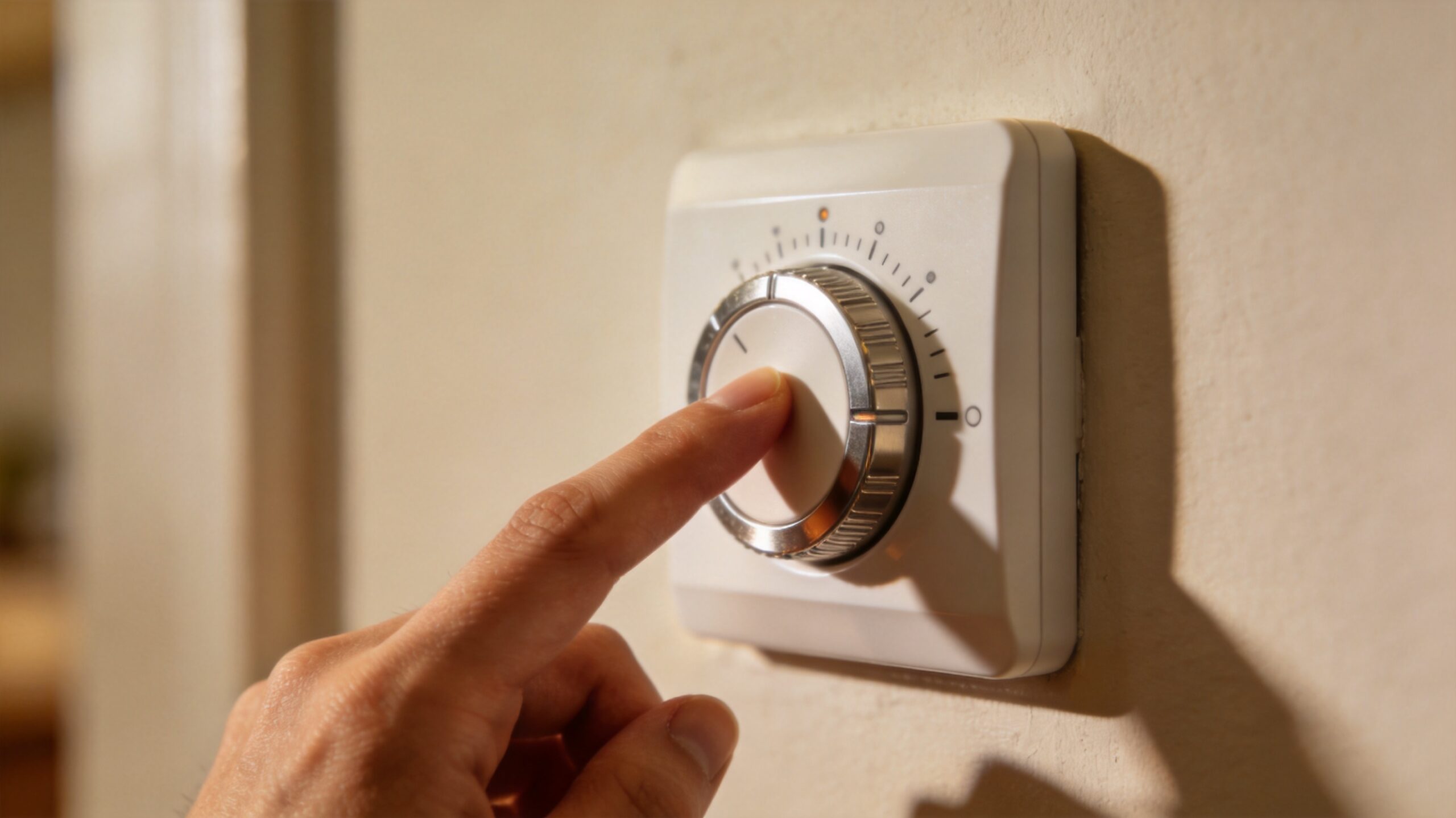
What is the 3-minute rule for air conditioners in St. Louis, and is it actually worth following, or just another bit of HVAC folklore? It’s real, it’s simple, and ignoring it can cost you the single most expensive part in your whole system. The rule says: when your AC shuts off, wait at least three minutes before you let it start again.
That’s the entire rule, but the reason behind it is what makes it matter. Your compressor needs the pressure inside the system to settle before it tries to start again. Fire it up too fast, before that pressure equalizes, and you force it to push against a load it was never built to start against. Do that enough times and you’re shopping for a new compressor.
Sam has spent 27 years in South St. Louis County replacing compressors that died young, and a surprising number of them were killed slowly by exactly this. Before you flip your thermostat off and right back on during a hot spell, here’s what that three minutes is really protecting and why it matters even more in our summers.
TLDR
- The 3-minute rule: after your AC shuts off, wait at least three minutes before it runs again.
- Restarting too fast forces the compressor to start against pressure it hasn’t released yet.
- The compressor is the most expensive part in the system, so the rule protects real money.
- If the system cycles on and off by itself, that’s short-cycling and needs a diagnosis.
- St. Louis summer heat makes the rule matter most, exactly when people are tempted to break it.
The 3-Minute Rule in One Sentence
Plain version: after your AC shuts off, let it sit at least three minutes before it runs again. That’s it. Doesn’t matter if it cycled off on its own or you nudged the thermostat. The clock still applies, and three minutes is the bare minimum, not a suggestion.
Newer thermostats and units usually have a little delay built in to stop you from doing damage here. But a lot of the older systems around South County don’t, and even more folks override the wait without knowing why it’s there. You’ve probably seen the move, maybe done it yourself. House isn’t cooling fast enough on a brutal afternoon, so you snap the system off and right back on, like you’re trying to shock it into trying harder. What you actually did was tell the compressor to start up against pressure it hasn’t had time to let go of.
So no, the rule isn’t picky or pointless. It’s a tiny habit that matches how the machine really works, and honoring it costs you nothing except a few minutes of not fiddling with the thermostat.
What Actually Happens When You Restart Too Fast
Think about what’s happening inside the second it shuts off. The compressor has been squeezing refrigerant up to high pressure on one side, and the instant it stops, that pressure just sits there, still high, not yet evened out. Give it a couple minutes and the two sides drift back toward balance. That drift is the entire reason for the wait, and it’s invisible from where you’re standing in the kitchen.
Now jump the gun and start it again before things settle. You’ve just asked the compressor to shove against all that leftover pressure right out of the gate. It strains, it pulls a nasty surge of power, and it burns way more effort getting going than it would have if you’d just waited for the load to drop off. The motor hates it.
Once? It’ll survive. The trouble is the pattern. Every rushed restart adds a bit more wear, a bit more heat, a bit more stress on the windings and the start components. Stack that up over a few summers of hot-day fidgeting and you’ve quietly shaved years off the compressor, never once seeing the harm as it happened.
Why the Compressor Is the Part You’re Protecting
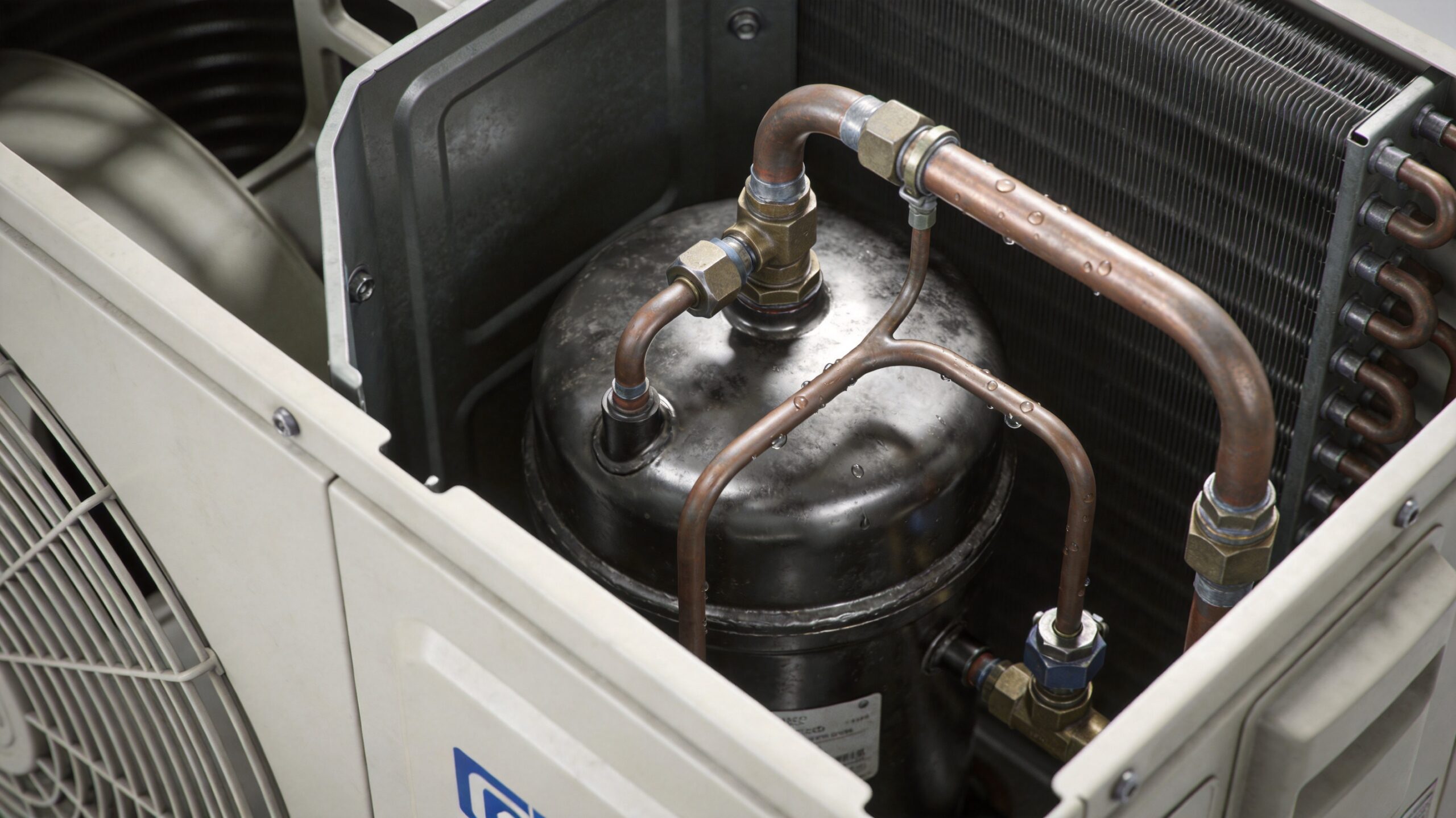
Let’s be clear about what’s at stake, because that’s what makes this small rule worth caring about. The compressor is the heart of your air conditioner. It’s the part that actually does the work of moving heat out of your house, and it’s far and away the most expensive single component in the system. When people say a repair “isn’t worth it” on an older unit, a dead compressor is usually what they’re talking about.
Most other failures are annoying but affordable. A capacitor, a contactor, a relay, those are real fixes but they don’t break the bank. The compressor is a different category entirely. Replacing one costs enough that it often tips the whole repair-or-replace decision toward buying a new system, which is exactly the conversation nobody wants to have.
That’s why three minutes of patience is such a good trade. You’re spending a few minutes to protect the one part whose failure can end the life of the entire unit. There aren’t many places in home AC maintenance where so little effort guards so much value.
Short-Cycling: The Symptom That Means Call Someone
Now here’s the version that isn’t you poking the thermostat, and it’s the one that should actually worry you. Say your AC is snapping on and off by itself every few minutes, never running long enough to really cool anything. That’s short-cycling, and it’s a red flag. The system is breaking the three-minute rule on its own, again and again, and left alone it’ll grind the compressor right into the ground.
What causes it? Could be a few things. Maybe the unit’s oversized and cools so fast it shuts off before it should. Maybe the thermostat’s stuck somewhere it reads the wrong temperature. Could be low refrigerant, a filthy coil, or an indoor unit that’s iced over. Annoyingly, they all look the same from your chair, just that endless start, stop, start, stop, and figuring out which one is yours takes a real diagnosis.
So here’s the line worth remembering. If you’re the one cycling it, knock it off and wait your three minutes. But if the thing is cycling itself, that’s not a habit you correct, it’s a problem you call about, fast, before it drags the compressor down with it, because a dead compressor is what tips the whole repair-or-replace decision.
How St. Louis Heat Makes This Rule Matter More
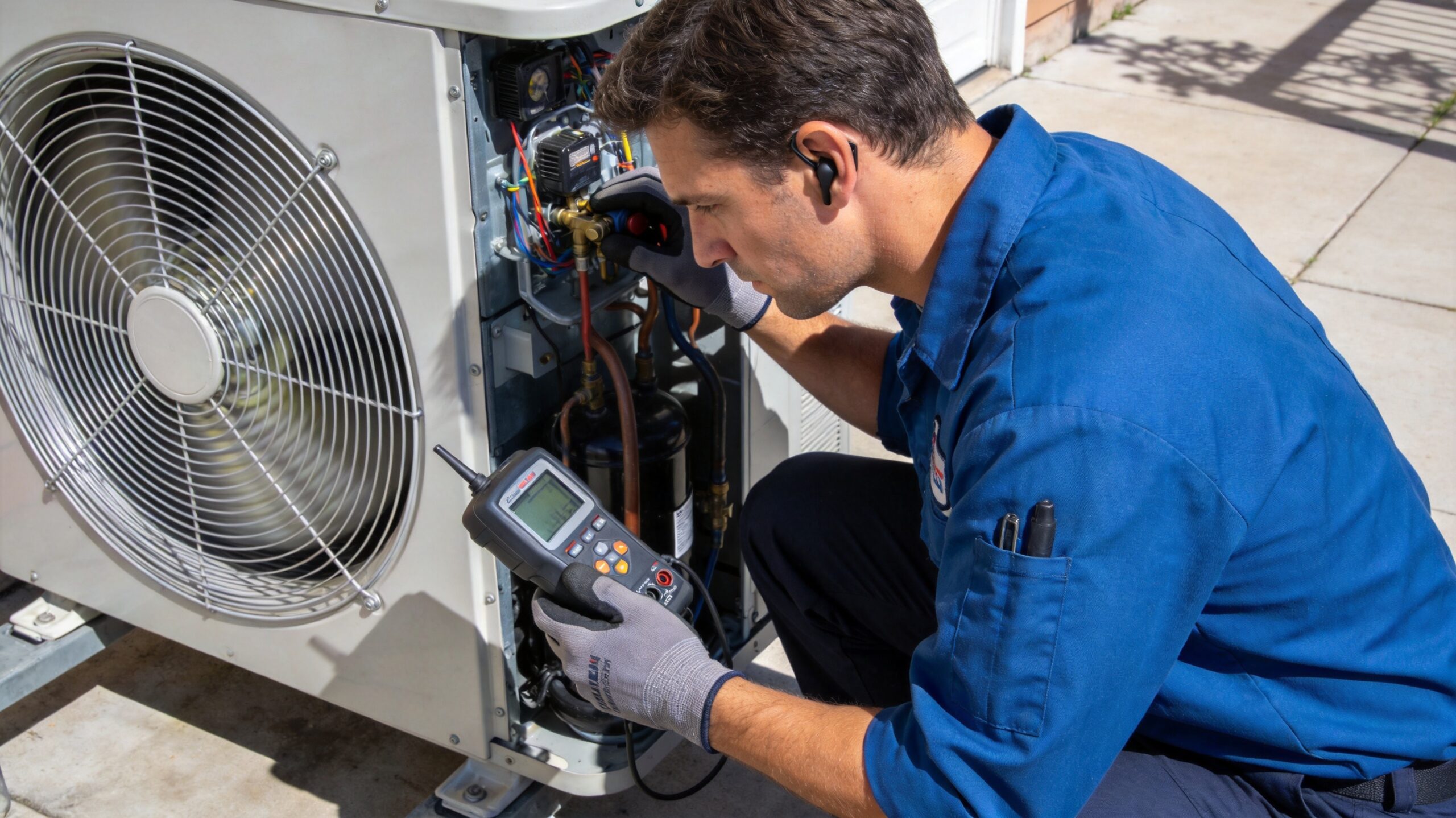
Our summers are what turn this from a fun fact into something that genuinely bites. When the heat’s brutal, your compressor is already maxed out, running long and leaning hard just to keep the place from cooking. July is when it’s under the most strain it’ll ever see, and a maxed-out compressor is the last one you want to hit with a rough restart.
The heat also pulls people into the fidget. House feels like it’s losing the fight, you get frustrated, and the hand goes to the thermostat, off, on, off, on, which is the exact thing the rule is begging you not to do. So the stretch of the year when the rule counts the most happens to be the stretch when folks are most likely to ignore it. Bad timing, built right in.
That’s the local wrinkle on a national rule. Those three minutes of patience barely register in mild weather, but in the middle of a Missouri heat wave they’re doing real protective work, because that’s precisely when your compressor is weakest and a hasty restart hurts the most.
Why St. Louis Homeowners Trust Liberty With Compressor Diagnostics
When your system is short-cycling and you can’t tell why, that’s exactly the kind of call we’re built for. Sorting out whether it’s an oversized unit, a misplaced thermostat, low refrigerant, or a frozen coil takes someone who’s seen all of them, and Sam has, thousands of times over 27 years in South St. Louis County. We find the actual cause instead of guessing and swapping parts until something works.
Liberty is family-owned, licensed, bonded, and insured, and we treat your compressor like the expensive, irreplaceable part it is. We’d rather catch a short-cycling problem early and save the compressor than meet you after it’s already gone. That’s the difference between fixing a cause and selling a replacement.
We keep it fair, too. Seniors get a 10 percent discount, and everything is quoted upfront before any work starts. If your AC is cycling on and off on its own, our team can find out why before it costs you the heart of the system.
Is Your AC Short-Cycling? Here’s What to Do Before It Fails
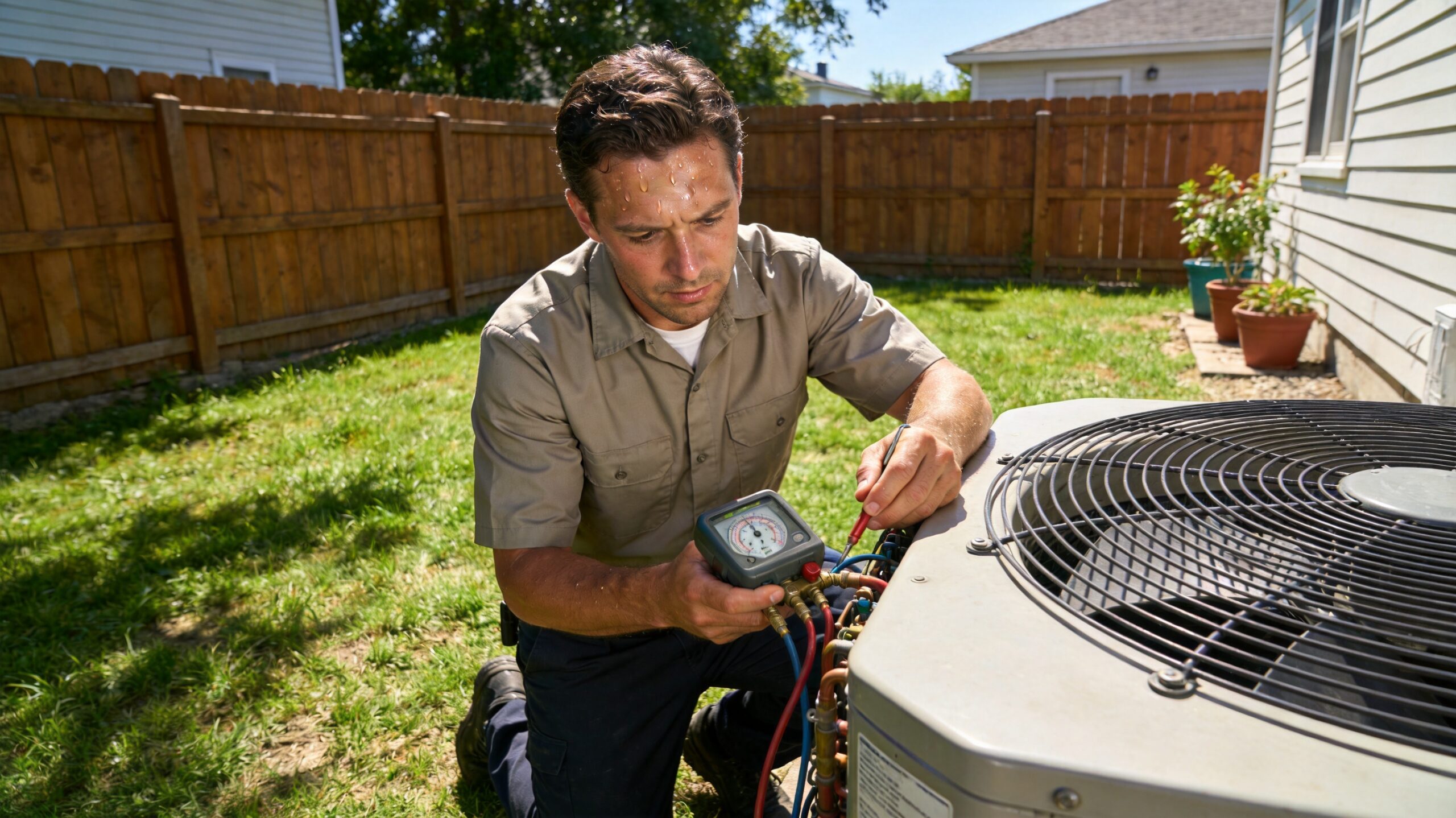
Look, a unit that keeps flicking itself on and off is not going to heal on its own. Just the opposite. Each little cycle wears on the compressor, and that is the one part Sam will tell you to guard with your life, because losing it usually means losing the whole system. Catch the cycling early and there is a real shot at saving it. Wait it out and you are gambling with the most expensive thing in your backyard.
If you want to see how the system is supposed to run when nothing is wrong, the U.S. Department of Energy has a plain guide with nobody trying to sell you anything. And when you want a straight diagnosis on why yours keeps cycling, call Liberty Heating Cooling & Plumbing at (314) 600-2202 or book online. We are around all seven days, weekends and holidays included, with same-day service across Oakville and South St. Louis County.