Serving St. Louis & Surrounding Areas
Should You Run Your Furnace Until It Dies or Replace It First in Oakville, St. Louis?
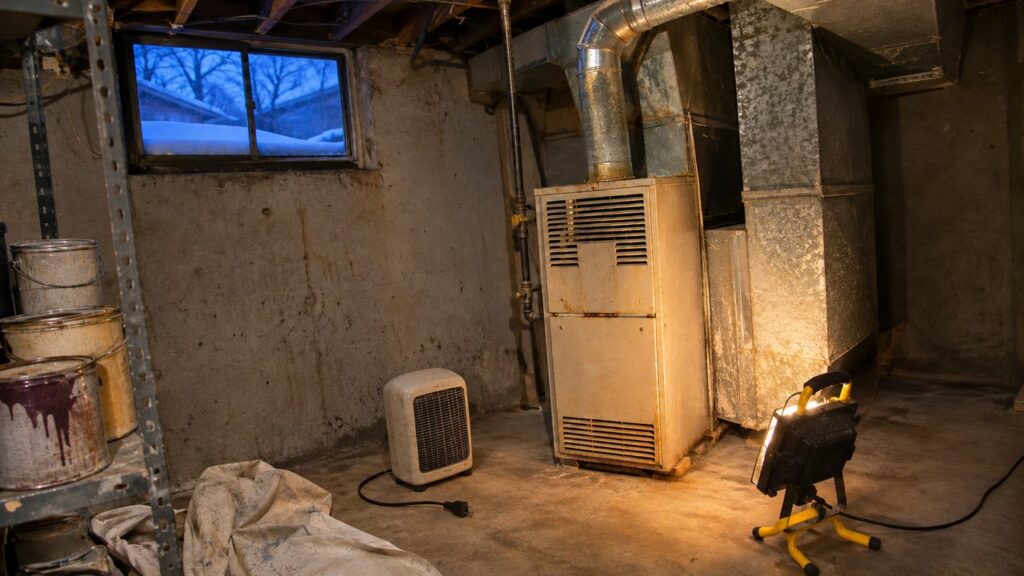
Can you run your furnace until it dies? Sure, and lots of people in Oakville do. If it’s under 15 years old and heating fine, that’s usually the smart move. Once it’s past 15 or 20 and the repairs start stacking up, waiting for it to quit means giving up the say in when it happens, what goes in, and how fast. A little planning gets that say back.
Sam Marsala’s family-owned company has been fixing and replacing furnaces around Oakville and the rest of St. Louis since 1998. This page is about timing. What happens when you wait for the last day, and how to tell whether your furnace has a few good winters left. When you’re ready to look at options, our page on furnace installation in Oakville shows how a new one goes in.
What It Looks Like When a Furnace Finally Dies
Most furnaces don’t go out with smoke and noise. The end is usually pretty boring. It starts, runs a minute, and shuts off. Or the fan runs and the air coming out of the vents is cool. Sometimes a part fails that nobody makes anymore, and that’s the end of the road.
Here’s the part people don’t plan for. The colder it gets out there, the harder that furnace is working. Longer runs, more starts, more strain on old metal and tired motors. So the weak part tends to give out on the first real cold snap, or on a January night when it’s 8 degrees with wind.
Holidays are another favorite. The house is full, the heat is turned up for company, and the furnace that limped through November finally quits on Christmas Eve. We take calls every day. But every other house with an old furnace is calling that same night.
What Waiting for the Breakdown Really Costs You
Running it to the end can work out fine. Just know what you’re trading. When the furnace quits on a cold night, the choice mostly stops being yours.
- You lose your pick. You end up with the furnace that can be found and put in fast, not always the one you’d choose after some thought.
- You lose time to compare. No room for a second opinion, reading up on options, or getting the size worked out from the house when it’s 55 degrees inside and dropping.
- You lose comfort. Even when the swap goes fast, you might be looking at a night or two of space heaters, piled-up blankets, kids going to bed in hoodies.
- You put the house at risk. In a hard freeze, a cold house can mean frozen pipes, mostly on outside walls and in crawl spaces.
- You lose a day you didn’t plan to lose. Calling off work, moving plans around, and worrying about pets or older parents in a cold house.
None of that shows up on a quote, but you feel all of it. A planned swap on a mild day, with a furnace you picked, is just a calmer day.
Signs It’s Time to Start Planning Now
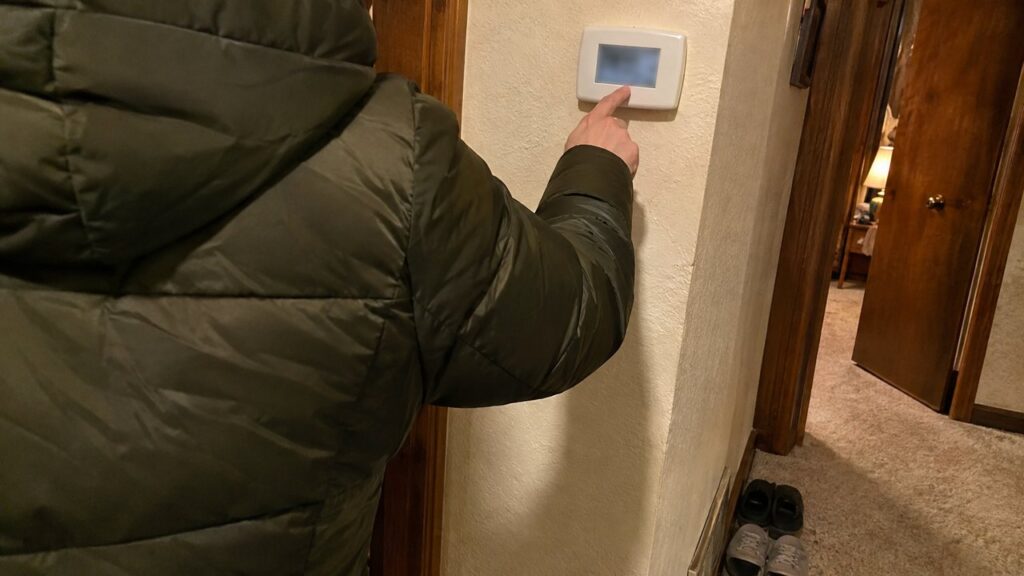
None of these means you need a new furnace this week. They mean the clock is running, and you’ll be better off picking the date yourself.
- It’s past 15 to 20 years old. Age alone doesn’t kill a furnace. It does mean a lot of parts are near the end at the same time.
- Repair calls keep getting closer together. One fix in ten years is normal. A fix every winter, or two in one season, is the furnace telling you something.
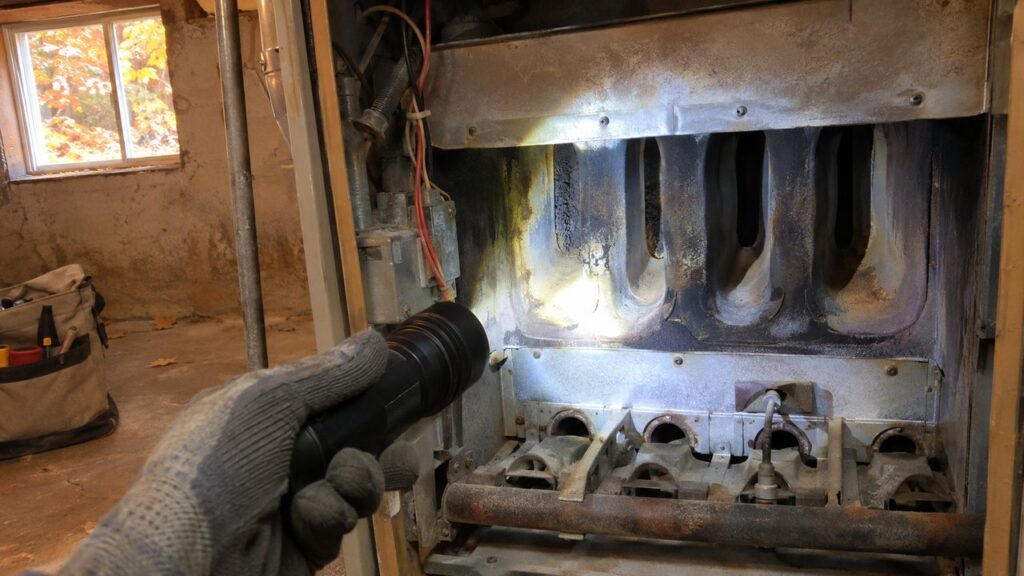
- A tech has raised a heat exchanger concern. That’s the metal box inside that keeps the flame and the exhaust away from the air you breathe. Cracked or rusted through? You don’t keep patching that.
- Some rooms never get warm. Bedroom over the garage freezing, basement toasty. An older furnace may just not push air like it used to.
- The gas bill keeps going up. You haven’t changed a thing, same thermostat setting, and still every winter it’s a little higher. Usually that’s a furnace burning more gas to get you the same heat.
- Parts are getting hard to find. Some parts for older units just aren’t made anymore. Waiting on one can stretch a one-day fix into a week of no heat.
Two or three of those sound familiar? Start planning, even if the thing still lights every morning.
Signs It’s Fine to Keep Running It
A lot of the time the honest answer is to keep it. A furnace that’s still doing its job doesn’t need to go just because the neighbors got a new one.
- It’s not 15 yet, and nothing it’s needed so far was a big deal.
- Every room gets warm and stays where you set it.
- The heat exchanger looked clean at its last checkup.
- Your gas bills look about like last year’s, give or take the weather.
- It starts up quietly, runs, and shuts off without any drama.
If that’s your furnace, keep changing the filter, keep up with a yearly furnace maintenance visit, and get every winter out of it you can. Just start thinking about what comes next before it dies, not after.
How to Plan a Furnace Replacement on Your Terms
Planning ahead mostly means being ready. You might still get three more winters out of the old one. The difference is that when it goes, you already know what you’re doing.
- Start setting money aside. Once the furnace passes 15, put a little away each month. Then a breakdown is a bad day, not a scramble.
- Get a fall checkup. Before it turns cold, have someone really look at the heat exchanger, the controls, and the blower motor, which is the fan that pushes warm air through your ducts. Then ask the tech straight out how many winters they think it has.
- Decide what you’d want next. Think about the same kind of furnace or a high efficiency one, and whether your AC is about the same age. That’s a lot easier to sort out in October than at 2 a.m.
- Choose your day. A swap on a mild day you picked is just easier on everybody, and fall or spring tends to be calmer for scheduling.
- Have a plan B for this winter. Know who you’re calling. Keep a safe electric space heater in the closet, and know where the main water shutoff is if the house ever gets cold enough to worry about pipes.
Like to read up first? ENERGY STAR keeps a short guide on what to look for in a newer furnace.
Frequently Asked Questions
Should I replace my furnace before it actually quits?
Past 15 to 20 years with a couple of the warning signs, say a repair every winter, cold rooms, or a tech worried about the heat exchanger, and planning the swap ahead is usually the better call. Younger and running well, keep it, get it checked each fall, and start putting money aside so the day it goes is just a bad day and not a crisis.
Is 25 years too old to keep a furnace going?
Not always, since some 25 year old furnaces still run clean and safe after a careful look at the heat exchanger. At that age, though, you’re on borrowed time, so have it inspected every fall, keep working carbon monoxide alarms near the bedrooms, and have a plan ready for the day the inspection turns up bad news.
Does it make sense to replace a 30 year old furnace that still works?
In most homes, yes, because a furnace that old was built to older rules and likely sends more of your gas up the flue than a newer one would. It has also had three decades of heating up and cooling down on its metal, so it’s smart to plan the change on your schedule instead of finding out on the coldest night of the year.
What about a 40 year old furnace that still lights every time?
Lighting every time is good news, but at 40 years the bigger worry is what’s happening inside the metal you can’t see. Have it inspected soon, make sure your carbon monoxide alarms work, and plan to replace it, since a furnace that old usually has parts that are hard to find and a heat exchanger well past what it was built for.
Should I buy a house that has a 20 year old furnace?
You can, just go in with your eyes open about what’s coming. Ask the sellers for any service records, have the furnace looked at during the home inspection, and plan on a replacement in the next few years, so you can set money aside from day one instead of getting surprised your first winter in the house.
Talk to Sam About Your Furnace’s Timing
Not sure if yours should keep going or if it’s time to plan? We’ll come out, look at the heat exchanger, the blower and the controls, and tell you what we see. If it has a few good winters left, we’ll say so. If it doesn’t, you’ll have time to plan instead of rushing.
Want an honest read on whether to run your furnace until it dies or replace it first? Call Sam at (314) 600-2202, or reach us through our contact page. We’re a family-owned company that covers Oakville and all of St. Louis, and we pick up every day.