Serving St. Louis & Surrounding Areas
How Long Do Furnaces Last in Oakville, St. Louis?
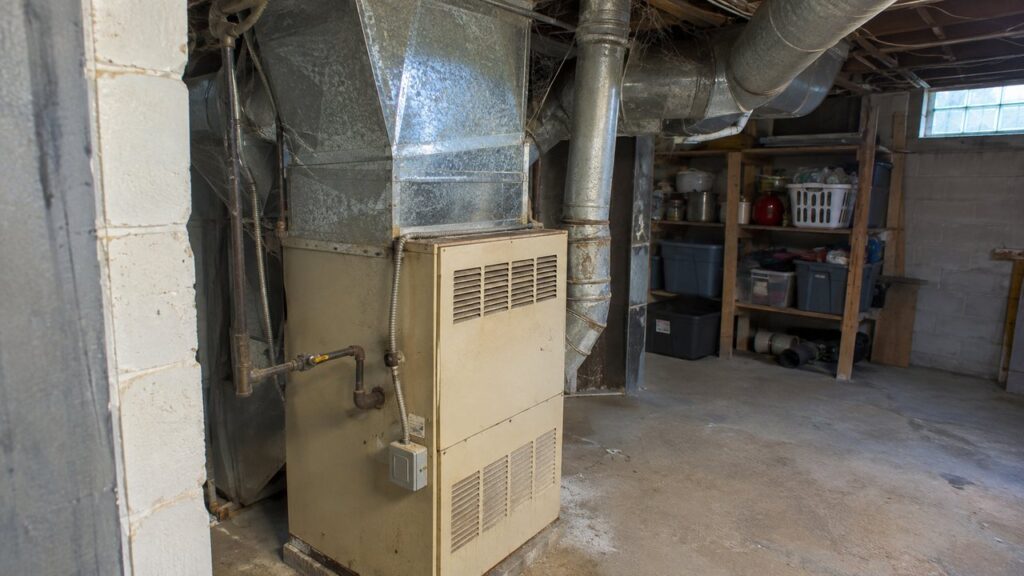
How long do furnaces last in Oakville? Most gas furnaces here give you 15 to 20 years, with some quitting around 12 and some still running at 25 or 30. Electric furnaces often go longer, because nothing in them burns. Where yours lands depends less on the brand and more on how it was sized, how it was put in, and how often anyone looked at it.
Sam Marsala has been working on heating systems around Oakville and the rest of St. Louis since 1998, and he gets this question all fall. Below is what the years really look like on a furnace, what cuts them short, and how to figure out where yours is. If you already know it’s time, our page on furnace installation in Oakville walks through what a replacement involves.
How Long Each Type of Furnace Usually Lasts
The number on the brochure is an average. Plenty of furnaces beat it and plenty fall short. Here’s a fair range for what we find in houses around South County.
- Standard gas furnace (80 percent): 15 to 20 years is normal. Simple design, one heat exchanger, a metal flue pipe up through the chimney or roof.
- High efficiency gas furnace (90 percent and up): about 15 to 20 years too. It has a second heat exchanger and a drain line for the water it makes, so there’s more that can clog or rust if nobody keeps an eye on it.
- Electric furnace: often 20 to 30 years. No flame, no flue, no heat exchanger to crack. The heating elements and the blower motor are what wear out.
Those ranges assume someone changes the filter and has it checked now and then. A furnace that never gets either one usually lands at the low end.
Why a St. Louis Furnace Works All Year
Here’s something most people don’t think about. In a lot of homes around here, the furnace isn’t only the heater. Its blower is also the fan that pushes your air conditioning through the house.
The AC coil sits right on top of the furnace. All summer long, the furnace blower runs every time the AC does. So in a St. Louis basement, the furnace motor doesn’t get summers off. It works close to twelve months a year.
That’s one reason blower motors and the parts that control them tend to go before the furnace itself is done. It’s also why a furnace that “only” heats for five months a year can still show its age at 15.
What Wears a Furnace Out Early
When a furnace dies young, it’s almost never bad luck. One of these is usually behind it.
It Was Too Big for the House
A furnace that’s too big heats the house fast, shuts off, cools down, and starts again. Over and over. Every start is the hardest moment of its day, for the igniter, the motor and the metal in the heat exchanger. A furnace that starts four times as often wears out faster. We see this a lot when someone replaced the old unit with the same size without ever checking what the house actually needs.
The Filter Got Ignored
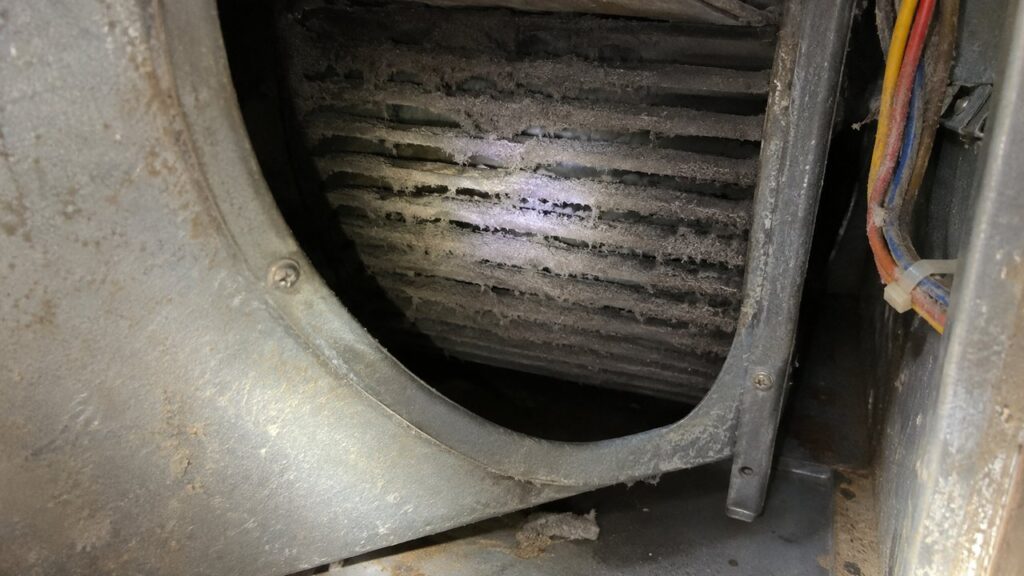
A clogged filter chokes the airflow. The heat exchanger runs hotter than it was built for. A safety switch shuts the burners off, then they light again, then they shut off again. That cooking and cooling cracks metal over time. It’s the cheapest part in the whole system and it protects the most expensive one.
Water Dripping From the AC Coil
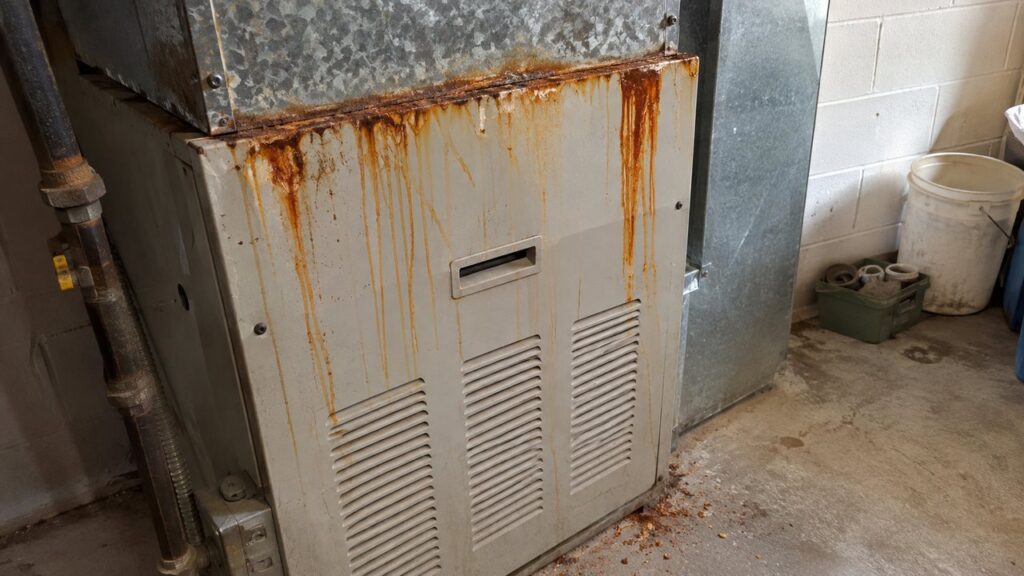
Remember that AC coil sitting on top of the furnace? It makes water all summer. If its drain pan rusts through or the drain line clogs, that water drips down into the furnace. You’ll see rust streaks on the cabinet and rust flakes on the burners. That slowly eats the furnace from the top down, and it happens in summer when nobody’s thinking about heat.
Nobody Looked at It for Years
A lot of what kills a furnace starts small. A dirty flame sensor, a cracked drain hose, a weak motor that’s starting to drag. Caught early, each one is a small fix. Left alone, they put strain on everything else. Our furnace maintenance visit is built around catching that stuff before it turns into a no-heat call.
How to Find Out How Old Your Furnace Is
You can’t judge a furnace by the house. A home built in 1972 might be on its third furnace, and a newer house might still have the builder’s original. So before you decide anything, find out how old yours really is. It takes about five minutes.
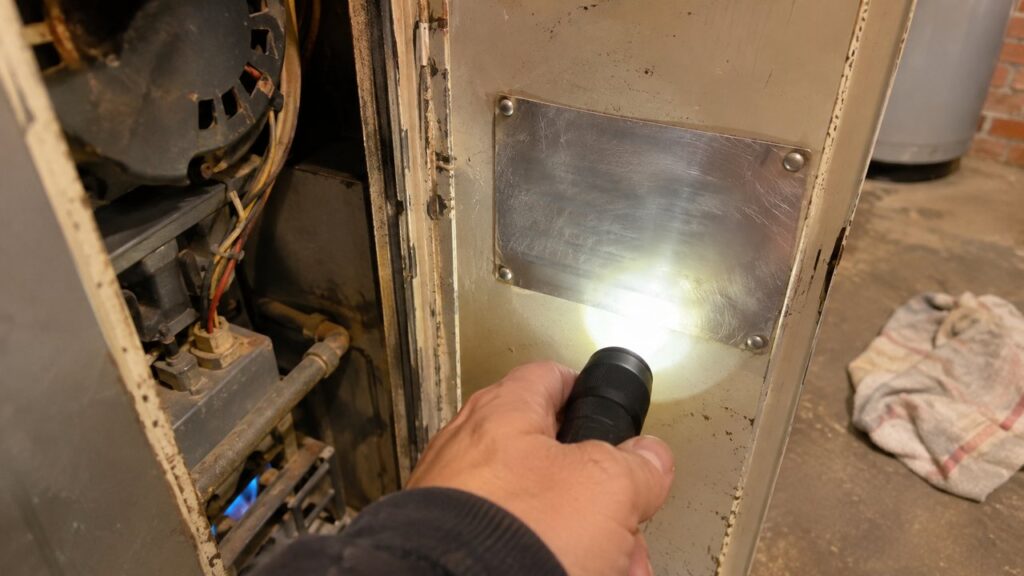
- Turn the furnace off at the switch, then take off the front panel. Most units have a metal label inside the door or on the side of the cabinet.
- Find the model number and the serial number on that label. On many brands, a few digits in the serial number are the year and week it was built.
- Search the brand name plus “serial number date” and you’ll usually find how to read it. Or snap a picture of the label and text it to us.
- Check your closing papers or any old invoices. A furnace swap is often listed there.
If the label is gone or too faded to read, we can usually tell from the parts inside and the way it’s piped. Ask when we’re out, it takes a minute.
Is a 25 or 30 Year Old Furnace Still Safe?
Old doesn’t mean dangerous by itself. We’ve seen 30 year old furnaces still running clean and safe. But the older it gets, the more the metal inside matters, and the more it’s worth having someone actually look at it instead of guessing.
The heat exchanger is the part that keeps the fire and the exhaust on one side and the air you breathe on the other. Every heat cycle makes that metal expand and shrink a little. After enough winters, it can crack. A cracked heat exchanger can let exhaust, including carbon monoxide, into your air.
So if your furnace is past 20, do two things. Have a tech look at the heat exchanger every fall, not just the filter. And make sure you have working carbon monoxide alarms near the bedrooms and on the furnace level. ENERGY STAR also has a plain guide to what newer furnaces do differently if you’re starting to shop.
What You Can Do to Get More Years
You can’t make a furnace last forever, but you can keep it off the short list.
- Change the filter on schedule. Every one to three months for most filters, more often with pets.
- Keep the area around the furnace clear. No boxes, paint cans or laundry piles against it.
- Have it checked every fall, and have someone look at the AC drain on top while they’re there.
- Pay attention to new sounds, new smells, or a furnace that starts and stops more than it used to.
- If you’re replacing, have the size figured from the house, not copied off the old label.
Frequently Asked Questions
How long do furnaces last if they’ve never been serviced?
A furnace that never gets checked usually lands at the low end, somewhere around 12 to 15 years. Small problems like a dirty flame sensor or a clogged drain sit there for years and put extra strain on the parts that cost the most to replace.
Do high efficiency furnaces last as long as older 80 percent ones?
About the same, usually 15 to 20 years, as long as somebody looks after them. They have more parts, like a second heat exchanger and a drain line for the water they make, so they need a little more attention each fall, but a well kept one holds up just as long as the older kind.
My furnace is 20 years old and still works. Should I replace it now?
Not just because of the number, since a furnace that heats evenly, isn’t breaking down, and has a heat exchanger that checks out can keep going for a while. Do start planning and setting money aside now, so you get to choose the timing instead of a cold January night choosing it for you.
Does a furnace last longer if I turn the heat down at night?
A little, maybe, but it’s not a big factor compared to the right size, clean filters, steady airflow and a yearly check. A furnace that’s sized for the house runs longer, calmer cycles with fewer hard starts, and fewer starts is what really saves wear on the igniter, the motor and the heat exchanger.
Talk to Sam About Your Furnace in Oakville
If you’re not sure how many years your furnace has left, we’ll take a look and tell you straight. We’ll check the heat exchanger, the blower, the drain and the controls, and we’ll show you anything we find. Sometimes the answer is a small fix and five more winters. Sometimes it’s time to start planning. Either way you’ll know what you’re working with.
Looking for a straight answer on how long your furnace will last? Call Sam at (314) 600-2202, or send us a note through our contact page. We cover Oakville and all of St. Louis, and we pick up every day.